
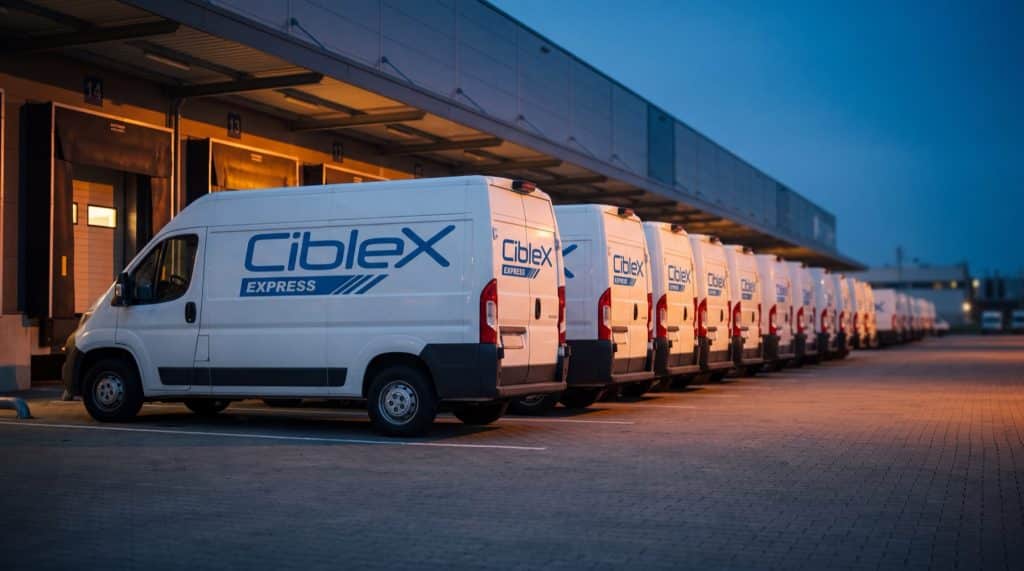

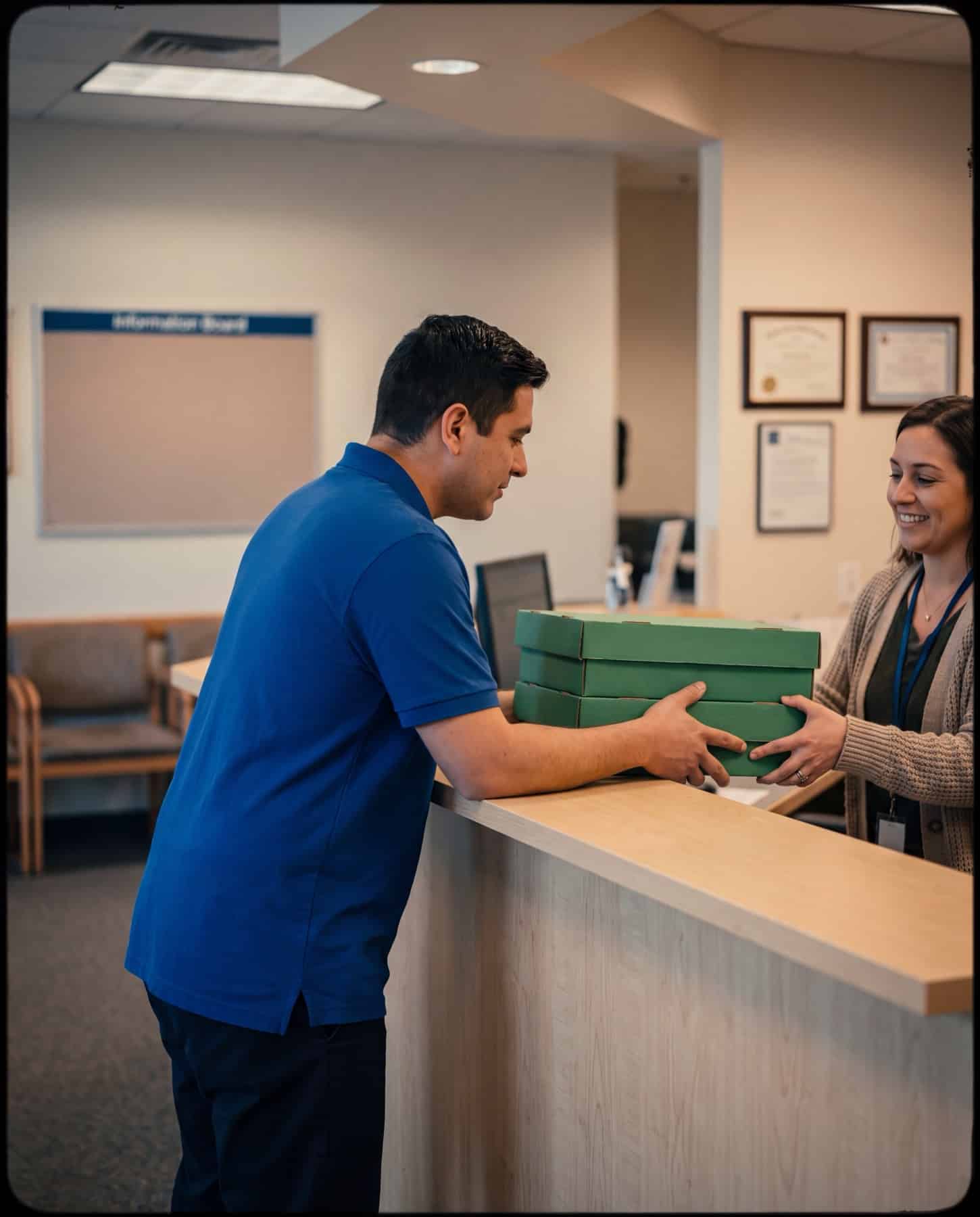
Office documents, member files and secure boxes moved between sites on a fixed overnight cycle, with a record on every consignment.
Health insurers run on paper that travels: member files between branches, correspondence to and from an administration centre, boxes moving to archive. It is routine, high-volume traffic, and all of it is personal.
Member files are not ordinary parcels. How a consignment is handled, and whether its arrival can be evidenced, matters as much as when it lands. And a day's files that arrive late do not simply arrive late, they join tomorrow's queue, and the delay accumulates across the network of offices.
Member files and claims paperwork, internal correspondence, and the secure boxes that move between branches, administration centres and archive. This is not occasional traffic: branches and administration centres exchange volume daily, which makes an ad-hoc courier booking the wrong shape entirely.
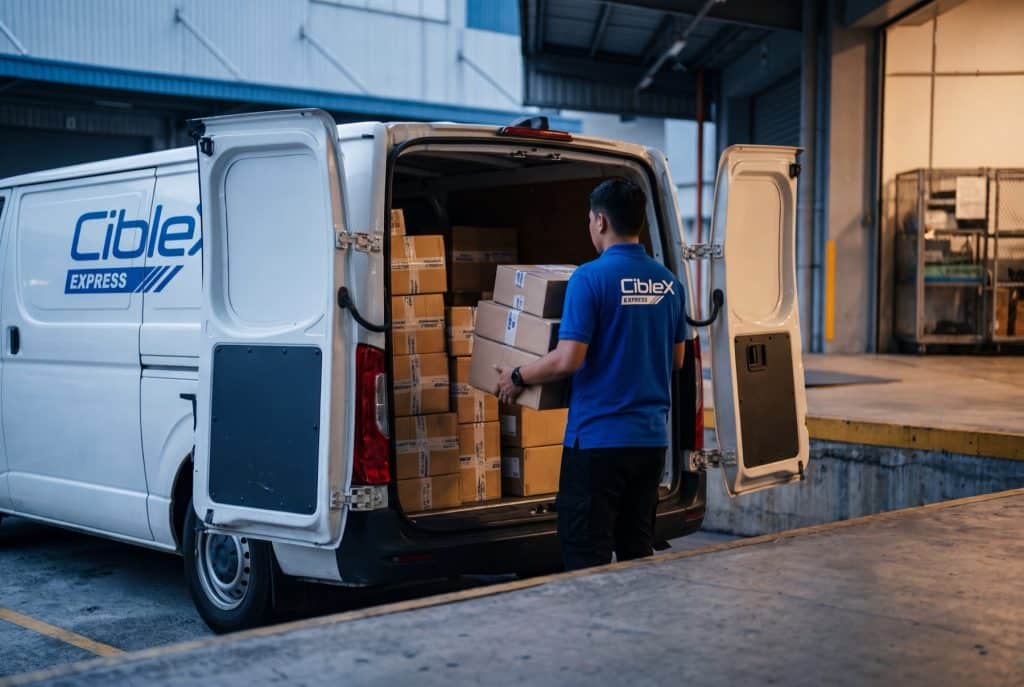
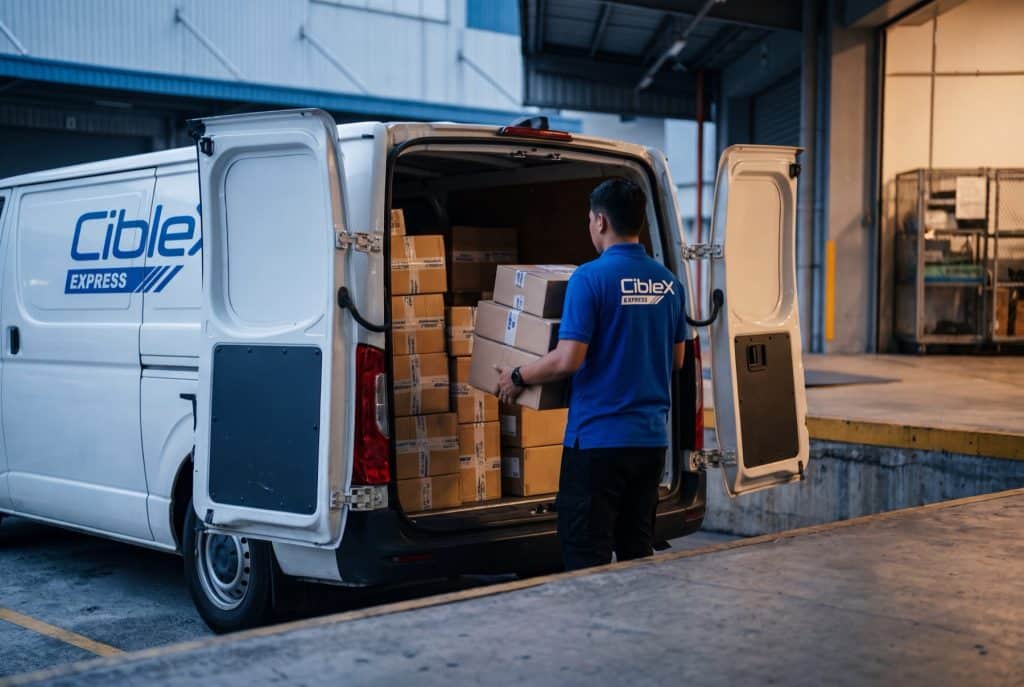
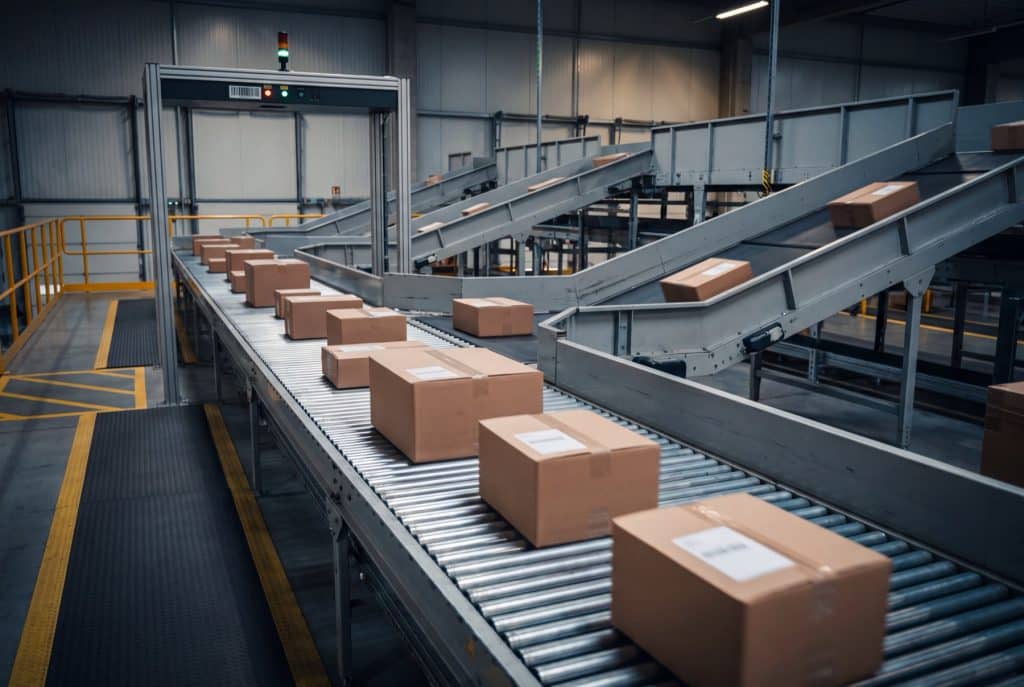
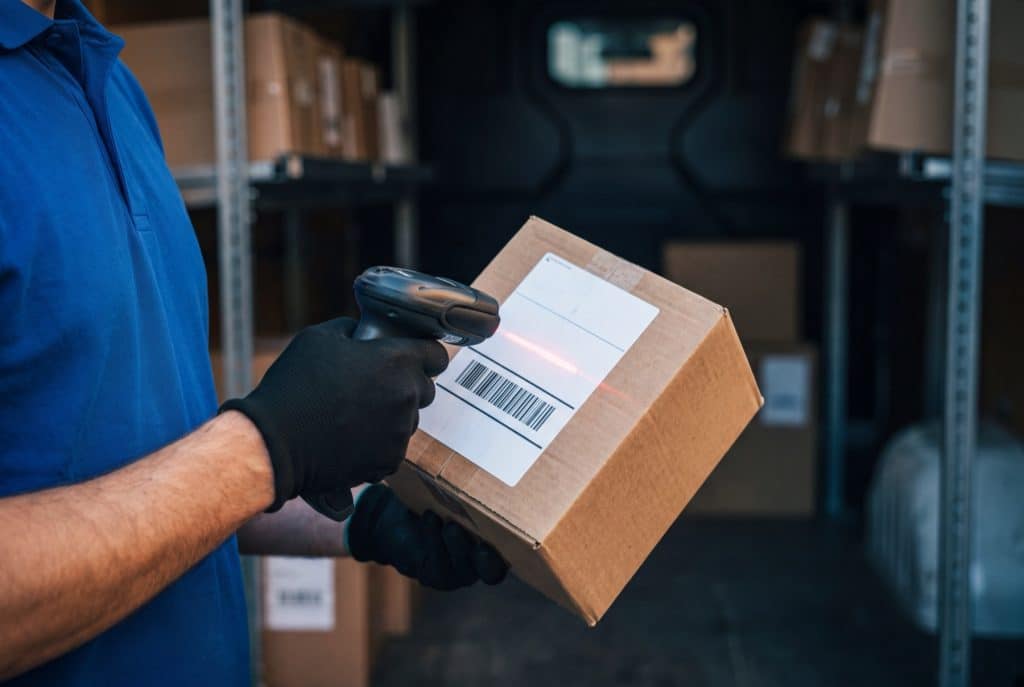
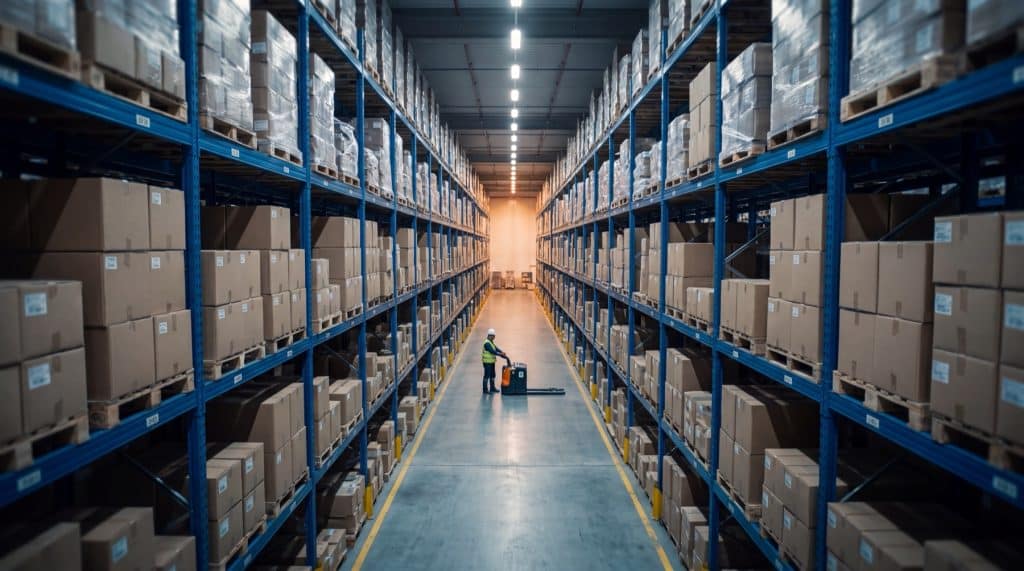
Each office has its own fixed end-of-day slot, so the run happens without anyone having to arrange it each time. Volume moves through the depot while the offices are closed, so the day starts with the post already in rather than arriving through it, and each item carries a reference from collection to delivery.
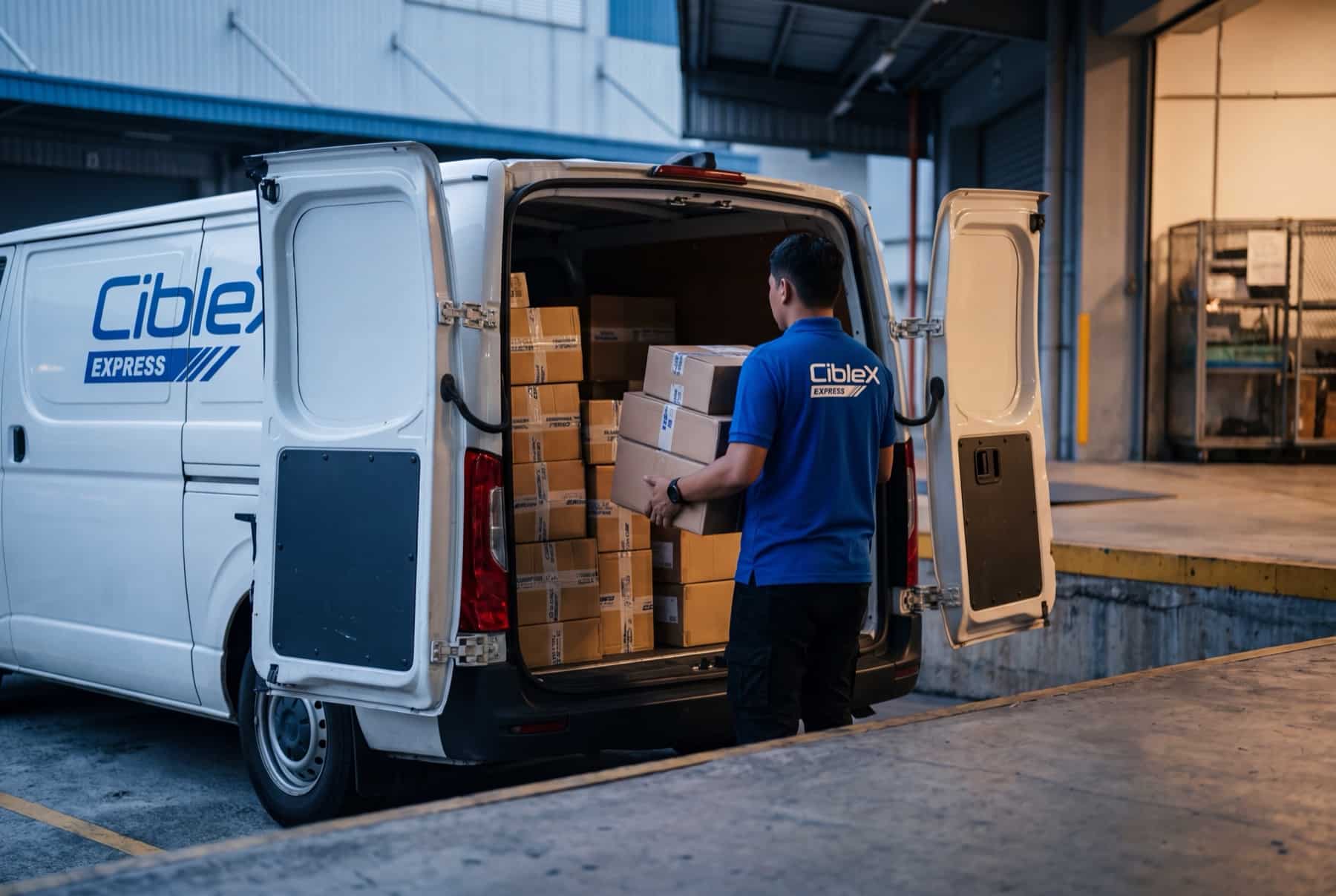 Evening collection — the standing run between branch and administration centre.
No call centre. No handoffs. You get one contact who knows your account.